Pub. Jul 24 , 2026
Introduction
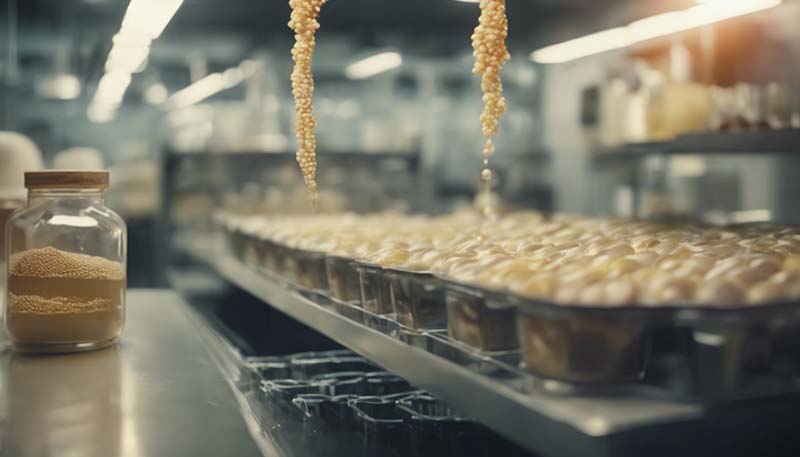
Biotechnology has become an essential tool in modern agriculture, playing a significant role in increasing food production to meet the growing demands of the global population. The use of biotechnology in food production involves various techniques, including genetic engineering, tissue culture, and the use of biofertilizers. This article will explore the role of biotechnology in food production, its benefits, challenges, and the future prospects.Genetically Modified Organisms (GMOs)
Genetically Modified Organisms (GMOs) are organisms whose genetic material has been altered through genetic engineering to introduce desired traits. In the context of food production, GMOs are developed to enhance crop yields, nutritional value, and resistance to pests, diseases, and harsh environmental conditions.Some of the most common GMO crops include soybeans, corn, cotton, and canola. These crops have been engineered to be herbicide-tolerant or to produce an insect-resistant protein derived from the bacterium Bacillus thuringiensis (Bt).Advantages of Biotechnology in Food Production
The use of biotechnology in food production offers several advantages:Challenges and Concerns
Despite the advantages, the use of biotechnology in food production has faced several challenges and concerns:The Future of Biotechnology in Food Production
As the global population continues to grow, the role of biotechnology in food production will likely become more critical. Future developments may include:
📅 Jul 24 , 2026
📅 Jul 24 , 2026
📅 Jul 24 , 2026
📅 Jul 24 , 2026
📅 Jul 24 , 2026
📅 Jul 24 , 2026
948 views
1005 views
1113 views
986 views
1726 views